Top 10 Best Practices for Email Campaign Success in 2026

The best practices for an email campaign are to understand your audience, write compelling subject lines, design engaging mobile-friendly content, use clear CTAs, segment and personalize your list, run A/B tests, keep your list clean, stay legally compliant, measure performance, and integrate email with your other marketing channels. Master these ten fundamentals and your emails get opened, read, and acted on instead of ignored or marked as spam. This guide breaks down each one in detail.
Before tactics, get the legal floor right. The FTC’s CAN-SPAM compliance guide requires accurate From and Reply-To headers, a subject line that reflects the actual content, a valid physical postal address in every commercial message, and opt-out requests honoured within 10 business days. Each violating email can carry a penalty of up to $53,088, and the law makes no exception for business-to-business mail.
Why do some email campaigns thrive while others barely get noticed? The difference is rarely luck. Successful marketers follow a repeatable set of best practices for email campaign execution that ensures the right message reaches the right person at the right time. This no-fluff guide walks through the essential tactics that determine whether your messages are opened and converted in 2026.
Key Takeaways
- Understanding your target audience’s demographics and behavior is the foundation of targeted, effective email marketing campaigns.
- Compelling subject lines that use personalization plus a sense of urgency or curiosity significantly boost open rates, while engaging content and mobile optimization keep subscribers reading.
- Segmentation and personalization, effective CTAs, A/B testing, list hygiene, legal compliance, performance metrics, and cross-channel integration are all vital to a complete email marketing strategy.
1. Understand Your Target Audience

Every impactful email strategy starts with knowing exactly who you are talking to. It is not just about sending emails; it is about sending the right emails to the right people at the right time, which is what actually drives engagement. Skip this step and even beautifully designed campaigns fall flat.
Two aspects of audience understanding matter most: pinpointing demographics and analyzing customer behavior. Together they shape the content, tone, and timing of your emails so they resonate and prompt the action you want.
Identifying demographics
Identifying demographics means categorizing your audience by shared characteristics so you can tailor messages to each segment. Common criteria include:
- Age
- Gender
- Occupation
- Cultural background
By grouping subscribers this way, you can craft marketing emails that genuinely engage specific audience segments rather than broadcasting one generic message to everyone. Most email platforms offer built-in segmentation features that let you target by age, gender, income level, and more. Tools like Mailchimp, Constant Contact, and ActiveCampaign surface these insights so you can write emails that resonate and drive engagement.
Analyzing customer behavior
Analyzing customer behavior reveals what subscribers actually do, not just who they are. By watching how people interact with your emails, you gain insights that let you tailor campaigns to real preferences and needs.
Focus on a few behavioral signals: how often subscribers open your emails, which links they click most frequently, and how they interact with your website afterward. These patterns help you build more targeted, personalized emails that lift both engagement and conversion rates. For a deeper framework, see our guide to improving your email marketing strategy.
2. Craft Compelling Subject Lines
Your subject line is the single biggest factor in whether an email gets opened. It is the first thing your audience sees, and it can make or break the campaign before a word of your body copy is read. A strong subject line is not a summary; it is a persuasive invitation to engage.
The craft lies in balancing two elements: personalization and a sense of urgency or curiosity. Combine them and you dramatically increase the odds of an open, setting the stage for everything that follows.
Personalization
Personalization is one of the most reliable ways to boost open rates. A subject line that uses the recipient’s name or references their interests stands out in a crowded inbox. But true personalization goes beyond a first name; it tailors the entire message to reflect the recipient’s preferences and behaviors.
Effective tactics include referencing past transactions, creating relevance with a sense of urgency, and using descriptive, specific language. Personalized subject lines deliver more relevant offers and a better experience, which translates into higher open rates and a measurable impact on ROI and revenue.
Urgency and curiosity
Urgency and curiosity are powerful triggers for opens. A subject line that signals something is time-sensitive, or hints at information the reader does not yet have, compels people to click to find out more.
Action-oriented language reinforces this sense of importance. When you weave personalization together with urgency and curiosity, the email feels both relevant and immediate, which is the combination that most reliably stimulates opens.
3. Design Engaging Email Content
A compelling subject line earns the open, but your content keeps the reader’s attention. Engaging email content is more than good copy; it is a deliberate combination of visual elements and text that guides the eye to the most important information.
Two elements make the biggest difference here: visual hierarchy and mobile optimization. Get both right and you deliver a seamless reading experience on any device. To push engagement further, you can also boost email engagement using images, videos, and dynamic content.
Visual hierarchy
Visual hierarchy directs the reader’s eye toward your most critical information by organizing graphic elements intentionally. Good email design makes your key points stand out so the reader knows exactly where to focus.
To build an effective hierarchy, plan your layout and use size, color, and placement to rank elements by importance. Applied well, these principles improve readability and engagement, which leads to clearer messaging and higher conversion rates.
Mobile optimization
Mobile optimization is a requirement, not an option. More than 60% of users open emails on a mobile device, so an email that breaks on a phone loses the majority of its audience. To ensure a smooth mobile experience:
- Use a single-column layout.
- Implement responsive design.
- Keep all elements, including text and CTA buttons, legible and tappable on small screens.
- Test your emails across multiple devices to confirm compatibility.
4. Implement Effective Calls to Action (CTAs)
A clear call to action is what turns a reader into a customer. Without one, even an engaged subscriber has nothing to do next. Use these tips to craft a CTA that converts:
- Make it clear and concise.
- Use action-oriented language.
- Create a sense of urgency.
- Offer a benefit or incentive.
- Use contrasting colors or buttons so it stands out.
- Test different versions to see what works best for your audience.
To make CTAs effective, concentrate on three things: clarity, conciseness, and strategic design and placement. Master these and you create CTAs that grab attention and drive both engagement and conversions.
Clarity and conciseness
A CTA must state the next step with zero ambiguity. Tell the reader exactly what to do and what they will get, in as few words as possible.
A clear, concise CTA removes friction and makes acting easy. Use powerful verbs, keep it brief, and choose vibrant colors for visibility to create CTAs that reliably drive engagement.
Placement and design
Where and how a CTA appears can matter as much as its wording. Effective CTAs combine the right words with placement and design that make them impossible to miss. Recommended practices include:
- Defining the CTA’s single purpose.
- Choosing language that fits the action.
- Deliberating on size and placement.
- Ensuring the CTA stands out with strong contrast.
- Adding white space around the CTA to increase visibility and click-through rates.
5. Use Segmentation and Personalization
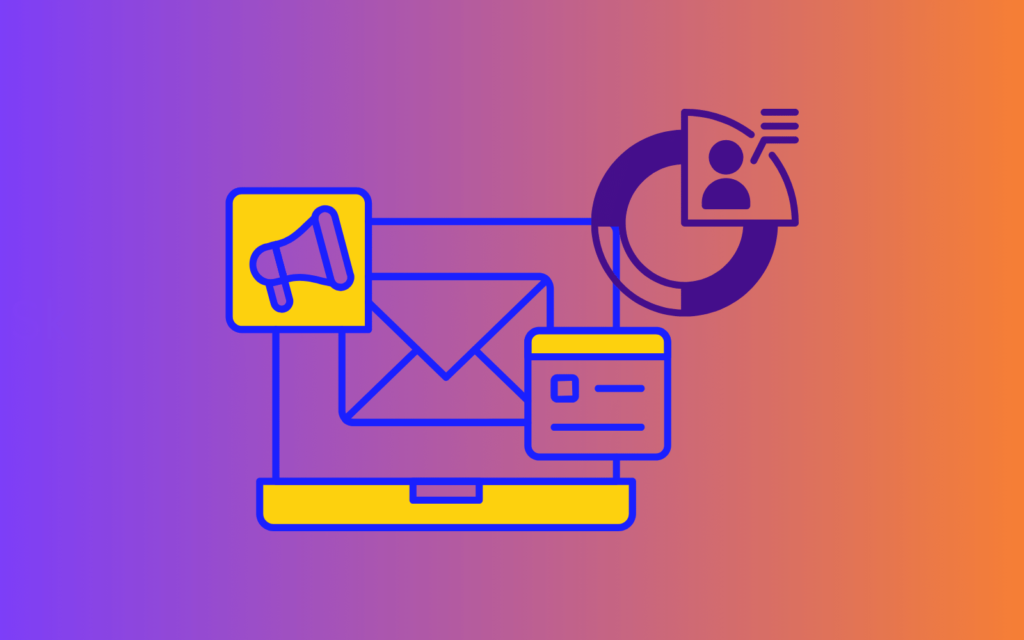
Segmentation and personalization are where average campaigns become high-performing ones. By dividing your list and tailoring messages to each group, you deliver content that matches subscribers’ preferences and needs, which lifts engagement and overall campaign performance.
The key is understanding your audience’s behavior and preferences, which you achieve through behavioral segmentation and dynamic content. These tactics also power strong retention marketing strategies that keep subscribers engaged over the long term.
Behavioral segmentation
Behavioral segmentation groups subscribers by their actions, preferences, and patterns rather than just demographics. This makes campaigns more targeted and dramatically more relevant.
By segmenting on behavior, you can:
- Tailor emails to specific needs and preferences.
- Increase engagement.
- Build loyalty and trust with subscribers.
- Achieve higher conversion rates.
Dynamic content
Dynamic content adapts the email itself to each subscriber’s data and preferences, so different recipients see different versions of the same campaign. Done well, it significantly increases engagement and conversion rates.
The key is leveraging subscriber data. By analyzing preferences and behaviors, you can customize content to each person’s needs, producing more engaging and effective campaigns without writing a separate email for everyone.
6. Employ A/B Testing
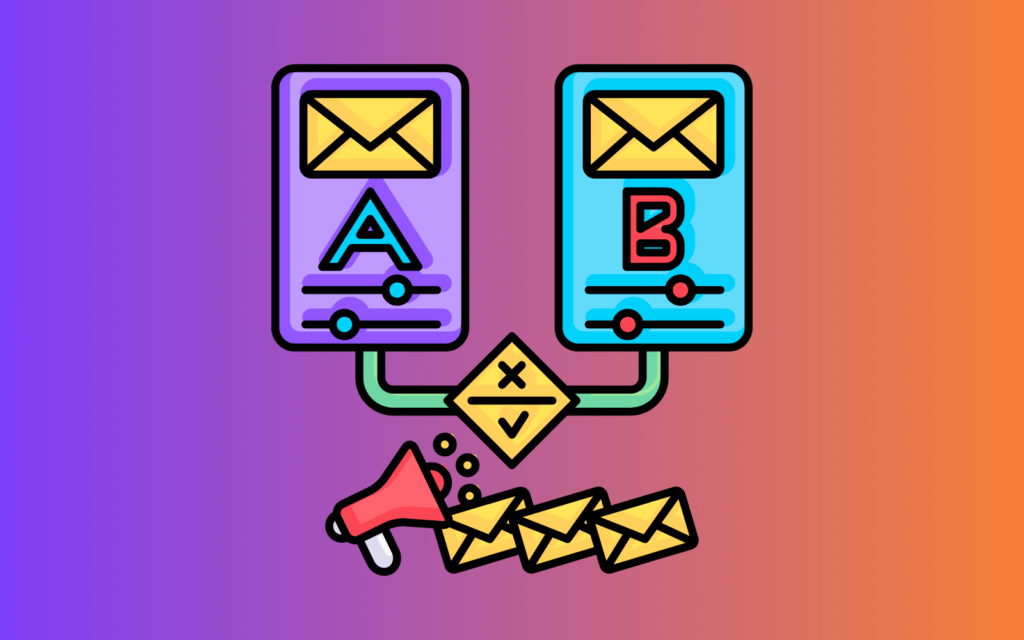
A/B testing is how you replace guesswork with evidence. By comparing two versions of an email, you learn which one performs better and gain insights that steadily optimize every future campaign.
You can A/B test many elements, including subject lines, body content, and CTAs. Analyzing the results lets you make data-driven decisions that compound into more successful campaigns over time.
Testing elements
Choosing the right element to test is what makes A/B testing worthwhile. Whether it is a subject line, a block of content, or a CTA, each variable can meaningfully shift your results, so test one change at a time to know what caused the difference.
Testing the elements that matter to your audience improves your current campaigns and builds a library of insights you can apply to future ones.
Analyzing results
Once a test is complete, analysis is what unlocks its value. Evaluate key metrics such as click-through rate, open rate, and conversion rate to determine which version won and, more importantly, why.
These results reveal your subscribers’ real preferences and behaviors. By understanding what resonates, you can continually refine your campaigns and achieve better outcomes with each send.
7. Maintain Email List Hygiene
A clean list is the engine behind reliable deliverability. By regularly removing inactive subscribers and using a double opt-in process, you ensure you only email people who genuinely want to hear from you.
Good list hygiene improves campaign performance, protects your sender reputation, reduces bounce rates, and keeps you out of the spam folder. A poorly maintained list can quietly sabotage even your best content, which is one of the most common email delivery issues marketers face.
Removing inactive subscribers
Removing inactive subscribers is a core part of list hygiene. Inactive subscribers are those who have not opened or engaged with your emails in a meaningful period of time.
By pruning them, you can:
- Improve engagement and open rates.
- Strengthen overall campaign performance.
- Protect your sender reputation.
- Keep your emails out of the spam folder.
Implementing double opt-in
A double opt-in process is the other pillar of list hygiene. When someone signs up, you send a confirmation email asking them to verify their subscription before they are added to your list.
This extra step ensures subscribers truly want your emails. It improves list quality, protects your sender reputation, and boosts deliverability, since everyone on your list has actively confirmed their interest.
8. Ensure Compliance with Regulations
Compliance is a legal mandate, not a suggestion. From offering an easy unsubscribe option to respecting user privacy, following email regulations protects your subscribers’ trust and shields you from legal trouble.
Compliance now has a deliverability dimension as well as a legal one. Google’s email sender guidelines FAQ explains that for messages sent to personal Gmail accounts, the organizational domain in your From: header must align with either your SPF or your DKIM domain — you need both set up, but only one has to align. Bulk senders who ignore this saw enforcement tighten from November 2025, with non-compliant mail hitting temporary and permanent rejections.
To stay compliant, you need to understand the rules that apply to email marketing, such as the CAN-SPAM Act and the General Data Protection Regulation (GDPR), and bake compliant practices into every campaign you send.
Providing an unsubscribe option
An easy-to-find unsubscribe link is legally required by several anti-spam laws. Giving subscribers a simple way to opt out shows respect for their preferences and keeps you compliant.
A clear, accessible unsubscribe link does more than satisfy the law; it leaves a positive impression. It signals that you respect the inbox and are committed to sending only content people want.
Respecting user privacy
User privacy is a cornerstone of modern email marketing. In an era of frequent data breaches, protecting subscribers’ personal information and following privacy rules like GDPR is essential to keeping their trust.
Respecting privacy involves several measures:
- Obtaining explicit consent.
- Prioritizing data security.
- Maintaining compliance with regulations.
- Building trust with your subscribers.
A genuine commitment to privacy reassures subscribers that their personal information is safe with you.
9. Measure Email Campaign Performance

You cannot improve what you do not measure. Tracking performance reveals how effective your campaigns really are and lets you make data-driven decisions. Core metrics like open rate and click-through rate point directly to what is working and what needs fixing.
These numbers help you gauge current success and guide optimization of future campaigns. By monitoring performance consistently, you refine your strategy and steadily achieve better results. AI-driven analytics can accelerate this, as covered in our breakdown of AI-powered email marketing tools and their pros and cons.
Open rate
Open rate is the percentage of subscribers who open your email. A high open rate signals strong engagement and effective subject lines, while a low one suggests your subject lines or content are not connecting.
Tracking open rate tells you how well your subject lines and content resonate. If yours falls below the industry average, it is a clear signal to revisit your subject lines or rethink the content your audience receives.
Click-through rate
Click-through rate (CTR) measures the percentage of subscribers who click a link or CTA in your email, showing how effective your content and CTAs are at driving action.
A high CTR means your content and CTAs resonate and people are taking the next step. A CTR below the industry average is a sign that your content or CTAs need optimization.
10. Integrate Email Marketing with Other Channels
Email performs best when it works alongside your other channels rather than in isolation. In a multi-channel landscape, combining email with social, search, and more amplifies your reach and reinforces a consistent brand message everywhere your audience appears.
Whether you integrate email with social media for cross-channel promotion or repurpose content across platforms, these strategies help you reach a broader audience, increase brand awareness, and drive more engagement.
Cross-channel promotion
Cross-channel promotion means reinforcing your brand or product across multiple marketing channels at once. By connecting email with platforms such as:
- Social media
- Search engine marketing
- Display advertising
- Influencer marketing
you extend each campaign’s reach and meet your audience at multiple touchpoints. A coordinated approach ensures a consistent brand message across every platform, which builds awareness, deepens trust, and drives more engagement.
Content repurposing
Content repurposing reuses your existing content in new formats or on new platforms to reach a wider audience and squeeze more value from work you have already done.
Turn a blog post into a podcast, a video into an article, or social content into an email campaign. Repurposing maximizes the value of every asset and keeps your message consistent across all your marketing channels.
Frequently Asked Questions
What is the single most important best practice for an email campaign? Segmentation paired with personalization. Sending the right message to the right segment based on their characteristics and behavior consistently produces higher open rates, more clicks, and better overall performance than broadcasting one generic email to your whole list.
What are the 5 T’s of email marketing? The 5 T’s are targeting the right people, timing your emails appropriately, testing your campaigns, tracking performance, and using the right technology. Applying all five together is what turns scattered sends into a reliable, results-driven program.
What should every email campaign include? A successful campaign needs a compelling subject line, engaging and personalized content, a clear single call to action, mobile-friendly design, and an easy unsubscribe link. Together these increase engagement while keeping you compliant.
How do I improve my email open rates? Write personalized subject lines that create urgency or curiosity, clean your list of inactive subscribers to protect deliverability, segment your audience so messages stay relevant, and A/B test subject lines to learn what your audience responds to.
Why does understanding my target audience matter so much? Because it lets you tailor campaigns to real needs and preferences. The better you know your audience’s demographics and behavior, the more relevant your emails become, which directly lifts engagement and conversion rates.
How often should I clean my email list? Review your list at least quarterly, removing or re-engaging subscribers who have not opened your emails in several months. Regular hygiene protects your sender reputation, lowers bounce rates, and keeps your campaigns landing in the inbox.
Conclusion
Email campaign success in 2026 comes down to a repeatable system: understand your target audience, craft compelling subject lines, design engaging mobile-ready content, implement clear CTAs, and use segmentation and personalization. From there, maintain list hygiene, stay compliant with regulations, measure performance, and integrate email with your other channels.
Adopt these ten best practices and you will stop guessing and start compounding results, driving real engagement and measurable returns from every campaign you send. Pick one weak area, fix it this week, and build from there.