Avoid AI Detection in Writing: 10 Must-Know Tips for Writers

To avoid AI detection in writing, make your text less predictable: vary sentence length and structure, use diverse vocabulary, write in the active voice, add personal stories and emotion, include real-world examples, and have a human edit the result. AI detectors flag content that is too uniform and predictable, so the goal is to introduce the natural variability and human voice that machines struggle to reproduce.
Worried that an AI detector will flag your writing? This guide covers 10 must-know tips for making your content more human-like and harder to spot, from diversifying sentence structures to personalizing your text. Each tactic works best in combination with the others, so use them together to keep your writing authentic, engaging, and undetected in 2026.
Key Takeaways
- Understanding the mechanics of AI detection tools, such as perplexity and burstiness, is crucial for bypassing them. This involves diversifying sentence structures, using varied vocabulary, and incorporating real-world examples.
- Employing paraphrasing tools and manual paraphrasing techniques can help humanize content and evade AI detection by altering vocabulary, phrasing, and sentence structure.
- Incorporating personal touches, emotional language, and active voice can make writing more direct, relatable, and less predictable, helping to bypass AI detection algorithms.
How Do AI Detection Tools Work?
AI detection tools decide whether content was generated by artificial intelligence by analyzing textual traits like perplexity (how predictable the wording is) and burstiness (how much sentence length and structure vary). Knowing how these tools analyze text helps you adjust your approach to writing. For instance, when learning how to write content using AI, it’s essential to focus on creativity and unpredictability in sentence structures to avoid detection, all while ensuring your content resonates naturally with readers.

AI writing tends to demonstrate limited variability (low burstiness) as well as predictability (low perplexity), which contrasts with the diverse nature of human-authored materials.
The detectors work using linguistic models similar to those employed by AI writing applications, perpetually evolving to keep up with advancements in AI-produced material.
The precision of these AI detectors depends heavily upon their training data quality. This area has seen heightened competition due primarily to Google’s efforts to develop technology that detects such content.
Understanding how AI detection operates opens pathways for learning how one might avoid it or even pass unnoticed through its filters.
By uncovering what traits these mechanisms scan for – and modifying aspects such as sentence structure diversity – authors can cultivate a more genuine-seeming narrative voice that mimics natural language patterns more closely associated with humans rather than machines.
This endeavor may be aided by engaging with various AI tools designed specifically to help users grasp how these systems work while concurrently honing their composition skills.
In the sections that follow, we delve into detailed tactics for evading AI-based scrutiny while enhancing your prose’s authenticity, presenting tangible recommendations alongside useful resources that equip you to dodge robotic flags without sacrificing integrity in your work.
1. Diversify Sentence Structures
Varying your sentence structures is one of the most effective ways to avoid AI detection, because it imbues text with the authenticity and fluidity that mimics human writing. By weaving together different rhythms, you introduce the unpredictability detectors look for. Blend together:

- brief sentences
- extended prose
- intricate constructions
- straightforward declarations
This mix introduces complexity and unpredictability into your work, which presents challenges for AI detectors trying to identify the repetitive tendencies associated with AI-generated text.
By varying the construction of words and sentences and using distinct punctuation marks such as em dashes and ellipses, you can break apart discernible patterns, making it more difficult for AI to recognize your writing.
These strategies not only improve the engagement and readability of your content but also serve as countermeasures against algorithms designed to detect uniform sentence structures in AI-generated pieces.
Short and Long Sentences
Utilizing a blend of concise and extended sentences can make your composition appear less predictable, giving it a more human-like quality. Readability is often enhanced when long sentences are divided into shorter segments, which also contributes to making the text seem more like a human wrote it.
The amalgamation of sentences creates intricate structures that challenge AI detection capabilities, leading to content that seems less machine-generated and more nuanced, as though crafted by a person.
Complex and Simple Sentences
Mixing diverse sentence structures, incorporating both intricate and straightforward ones, aids in eluding detection by disrupting consistency.
By melding shorter sentences into extended, compound constructions, you can conceal the regularities that AI systems might identify, rendering your content not only more captivating but also closer to how a human would compose it.
2. Use Synonyms and Varied Vocabulary
Incorporating diverse vocabulary is vital for creating content that feels human, because varied word choices make your writing more dynamic and less predictable for detectors. This technique also applies when exploring tools and strategies for communication, such as understanding the AI-powered email marketing tools pros and cons.

Substituting frequently used terms with their lesser-known counterparts, or using different words that convey the same meaning, can mask your text from AI scrutiny. Turning to a thesaurus for alternative word options helps diminish redundancy, making your composition more distinctive.
The overuse of specific words or phrases dilutes the strength of your message and increases its vulnerability to detection by AI algorithms. Introducing variety in word choice contributes to creating content that stands out as less predictable and distinct—qualities that help it avoid detection while retaining reader interest.
Thesaurus Utilization
Rather than indiscriminately exchanging words, a thesaurus ought to be employed carefully to confirm that a chosen synonym fits appropriately within the specific context. If there is uncertainty regarding their meanings, opting for straightforward and unambiguous words that accurately communicate your message is wiser.
Employing a thesaurus can aid in identifying appropriate alternatives for frequently used words, diminishing redundancy and enhancing the appeal of your writing.
Avoiding Overuse of Certain Words
It’s important to deliberately vary one’s vocabulary instead of overusing particular words, to minimize the likelihood of setting off AI detection systems.
Because certain keywords can frequently trigger alerts from AI detectors, using a variety of synonyms (which can be found using a thesaurus) is essential to avoid flagged content and evade detection.
3. Employ Paraphrasing Tools
Paraphrasing tools play a crucial role in making content appear more human-like and escaping the radar of AI detection. They transform text, maintaining its core information and intent while modifying it enough to sidestep flags from AI detectors that might identify it as generated by artificial intelligence.
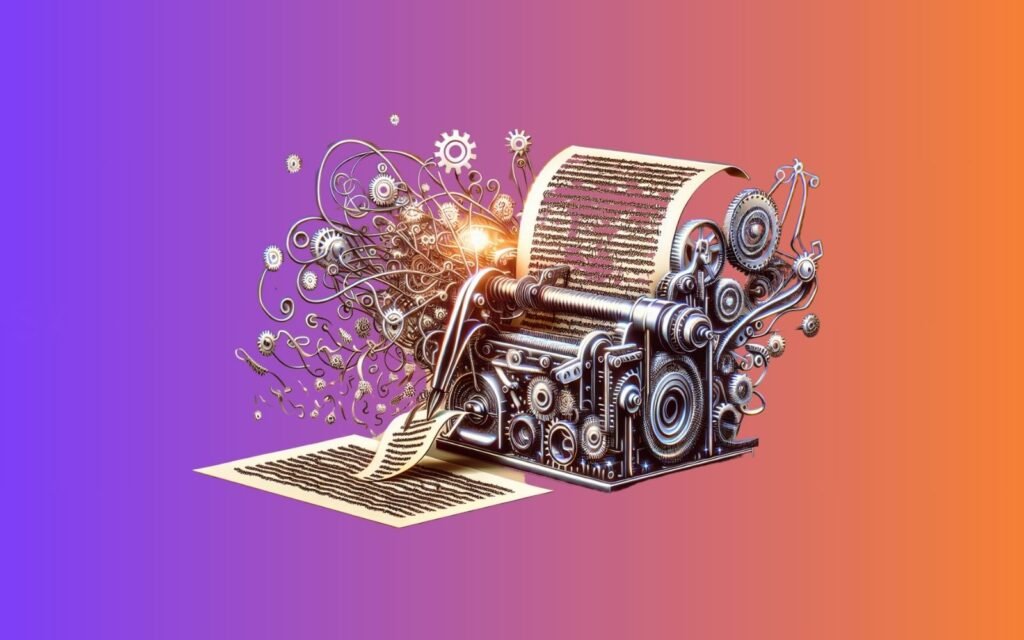
This is done by inputting original material, selecting a paraphrasing option, and then receiving a rewritten text that mimics natural human language.
Software such as BypassGPT and Undetectable AI stands out among these tools aimed at cloaking AI-generated content so it flies under the detection threshold. These applications employ sweeping alterations across vocabulary use, phrase construction, and sentence structures.
Their ability to rapidly produce text with a human touch renders them essential assets for authors who need to rewrite AI content seamlessly to effectively elude any form of AI detection.
Recommended Paraphrasing Tools
Authors can utilize various powerful tools for paraphrasing to improve and alter their written material. QuillBot presents a selection of nine unique modes for paraphrasing, while Paraphrasing-Tool.ai offers six distinct settings tailored to meet the needs of diverse users like bloggers and academic researchers.
To refine AI-generated content into prose that resonates with human-like quality, WriteHuman employs sophisticated language processing methods. This ensures the output is imbued with a seamless narrative and imaginative flair, mirroring natural human expression.
Manual Paraphrasing Techniques
The process of manual paraphrasing requires:
- Grasping the fundamental concepts and the surrounding context within the initial text
- Accurately rewording the content without merely substituting each word
- Concentrating on altering sentence construction to achieve successful paraphrasing
4. Add a Personal Touch and Emotion
Infusing your articles with personal narratives and feelings lends authenticity and diminishes the risk of the content being identified as crafted by AI. Stories drawn from real life give the material a distinctiveness, warmth, and engagement that machines struggle to replicate.

Using emotional language or expressions to create a conversational style gives your writing an authentic feel that can strike a chord with your audience.
Reworking AI-generated content in a way that imbues human elements ensures its authenticity, appeals to actual individuals, and aligns with search engine standards.
Not only does this method improve overall writing quality, but it also aids in eluding AI detection tools, due to the complexity required for artificial intelligence systems to successfully mimic genuine emotional depth.
Sharing Personal Stories
Incorporating personal anecdotes into blog posts resonates with readers, creating an impactful and memorable experience. These stories help to humanize the content, fostering a stronger personal brand and forging deeper bonds with the audience by making the narratives seem genuine.
Sharing one’s vulnerabilities through storytelling not only forges a bond but also cultivates trust among readers. Being open in one’s tales invites readers to engage emotionally, strengthening their connection to the story and the storyteller.
Using Emotional Language
Utilizing emotional language in your writing can lend a more human touch, engaging readers on a deeper level. By crafting narratives that resonate emotionally, you can forge connections with the audience that are both relatable and memorable.
Pose questions within your text to show inquisitiveness and reflectiveness – attributes that AI often finds challenging to emulate authentically. This technique might help evade AI content screening tools, helping ensure that your material remains under the radar of artificial intelligence systems.
5. Use Active Voice Predominantly
Incorporating the active voice into AI-generated content lends it a more immediate and engaging tone, which can thwart detection algorithms that look for specific syntactic patterns or phraseology common in passive, machine-generated text.
By making AI-generated text sound as though a human crafted it through the use of active voice, there’s an increased likelihood that AI detectors will be deceived. AI checkers might still discern that content is machine-produced even with this tactic, so merging this strategy with additional methods is vital.
Employing active voice enhances both clarity and reader involvement, thereby complicating the task for AI detectors trying to spot recurring configurations characteristic of automated text composition.
When sentences are expressed actively, they become clearer and more convincing—qualities that serve to counteract detection by AI algorithms primed to identify passive structures within writing.
Identifying Passive Voice
Writers seeking to skirt AI detection should note that replacing the passive voice can imbue their sentences with a dynamic, human-like texture. Detecting passive voice typically involves spotting a ‘to be’ verb form preceding a past participle.
To shift from passive to active voice and make your writing seem more action-driven by the subject rather than acted upon, confirm that the sentence’s subject executes the action.
Benefits of Active Voice
Employing an active voice in writing boosts engagement and clarity and imbues the text with a quality more akin to natural human expression. This lively dynamic of active voice can capture human interest more effectively while making it harder for AI detection systems to identify the content.
Converting sentences from passive to active voice could be a strategy for slipping past detection algorithms designed to flag content, enhancing its chances of going undetected.
6. Incorporate Real-World Examples and Data
Incorporating examples from the real world into AI-generated content can be highly advantageous, because concrete, relatable details are exactly what machine-generated text usually lacks. Specifically:

- It boosts engagement through the inclusion of concrete, relatable scenarios.
- The text gains a more human-like quality and credibility by connecting to everyday experiences.
- Credibility and accuracy are enhanced when data is sourced from trustworthy outlets.
When writers inject information into their AI-generated work, it’s crucial that this data comes from reliable sources and is presented in an accessible manner.
Including relevant and precise data in writing is imperative for providing solid, reliable information that bolsters the trustworthiness of the piece. Utilizing anecdotes and examples disrupts any potential dullness within the text, making it more absorbing for readers.
Finding Reliable Data Sources
Information sourced from websites of governmental bodies and academic institutions is considered credible. Scholarly articles that have undergone peer review and pieces found in reputable trade journals or established magazines and newspapers tend to provide trustworthy information.
In assessing a source’s reliability, one should scrutinize the author’s qualifications and examine how accurate, pertinent, and recent the information is.
To confirm the correctness of data, it’s advisable to cross-check it against several different sources.
Relating Examples to Content
Incorporating examples directly related to the core subject can enhance comprehension and relatability of the material. Presenting case studies pertinent to the audience’s industry may render the content more relevant and captivating.
7. Avoid Repetitive Keywords and Phrases
Avoiding repetitive keywords and phrases is essential, because AI detection algorithms use advanced machine learning and linguistic analysis to spot signs of AI authorship—such as repetitive or patterned language usage that may elude human readers.

These tools excel in identifying unnatural patterns, which are often a hallmark of artificial content creation due to the tendency to generate repetitive text.
Notoriously, ChatGPT has been known for its proclivity towards certain phrases being used repetitively – a trait some users consider too predictable. AI detectors easily spot such redundancy since recurrent keywords and phrasings signal potential AI origin.
To effectively bypass AI detection systems, it’s important to diversify your choice of words and vary sentence constructions to achieve a more organic and human-like quality in writing that avoids excessive repetition.
Keyword Variation Techniques
You can prevent redundancy while preserving the inherent message by rephrasing sentences, utilizing fresh vocabulary, and altering their structure. This method fosters a more captivating and distinctive narrative, which reduces the chances of being identified by AI algorithms.
Natural Language Flow
Vocalizing your own text can help you recognize and enhance its fluidity and spot repetitious terms. It’s beneficial for writers to have another person review their work and offer feedback on refining it.
Employing a tone similar to everyday conversation can help your writing retain a smooth rhythm, reducing the chances that it will be identified as having been produced by an artificial intelligence system.
8. Apply Human Moderation and Proofreading
Human moderation is critical for avoiding AI detection, because human moderators spot areas of improvement in AI-generated content and guarantee its comprehensibility and appeal in ways automated checks cannot.

Human moderators help AI-generated content pass the AI detector test by ensuring it is correct in context and personalized. Human moderation should look for repetitive or formulaic language, unnatural sentences, and accuracy of claims in AI-generated content.
AI moderation tools can quickly process large volumes of data, but human moderators ensure the accuracy and context of content. Human moderation can mitigate the risk of facing claims of misconduct and false positives in AI detection. It is essential to protect users and shield brands from harmful content.
Role of Human Moderators
Human moderators have the capability to:
- Recognize subtle differences in content, like context and irony, which AI could misconstrue
- Address intricate subtleties in human speech and context that are frequently overlooked by automated systems
- Be sensitive to cultural aspects of the material, confirming that content is suitable for diverse regions or user demographics
- Serve an essential function in maintaining the integrity and security of content through subjective decision-making
Proofreading Tips
When proofreading, it is crucial to concentrate on the following aspects:
- Enhancing the appeal and captivation of the content
- Eliminating any language that may come across as canned or monotonous
- Verifying factual correctness within assertions made in the text
- Guaranteeing that sentences read fluently and sound authentic
During proofreading, special attention should be given to spotting and amending any repetitive or stilted expressions commonly found in AI-generated content.
9. Utilize Advanced AI Writing Tools
Advanced AI writing tools such as Surfer AI, Agility Writer, and WriteHuman are equipped with capabilities to craft content that mimics human writing. Among these, Wordtune is particularly celebrated for its unique ability to enhance creativity and adapt text.

By understanding the power of Wordtune AI writing, you can refine your content to ensure it flows naturally while staying engaging and authentic.
These cutting-edge platforms offer customization options, including language style, tone adjustments, formatting preferences, and tailored vocabulary selections, which enhance their performance.
They can tackle creative prompts to engage different senses or adopt various styles when generating content. Such sophisticated requests lead to AI-generated content crafted ‘in the style of’ particular authors or genres that is more challenging for AI detectors to distinguish from compositions penned by humans.
Top AI Writing Tools
Choosing an appropriate AI writing tool is essential to create content that resembles human writing so closely that it can bypass the scrutiny of AI detection algorithms. Among the most proficient tools capable of crafting text with a high degree of human likeness are:
- GPT-4o from OpenAI is celebrated for its proficiency in generating coherent and superior-quality text akin to natural human-written material
- Jasper AI
- Writesonic
- Copysmith
- Wordtune
Customizing AI Output
Settings that enable customization of language nuances, intonation, formatting styles, and the use of particular words are key features on AI platforms designed to enhance their effectiveness.
Crafting prompts that encourage the AI to depict situations through various sensory perceptions can generate material that poses a challenge for AI detectors in recognizing its artificial origin.
Incorporating an ‘in the style of’ approach into commands could lead to AI-generated content that emulates distinct literary manners. Such content has a lower chance of being spotted by AI-content detectors due to its closer resemblance to human writing patterns.
10. Adjust Content Structure Unpredictably
Adjusting your content structure unpredictably can confuse AI detection algorithms. By altering and rearranging sentences, you disrupt the grammatical pattern recognition these AI detection algorithms rely on. Introducing unpredictable elements into a text has the potential to perplex and surprise AI detectors.

Adopting unusual formatting features such as bullet points and subheadings not only captivates readers visually but also adds an element of unpredictability. Weaving in literary techniques like metaphors and similes enriches your content with creativity and complexity, presenting greater challenges for AI detectors when identifying your work.
Breaking Predictable Patterns
Condensing phrases disrupts recognizable patterns, thus complicating the analysis for AI detectors. Incorporating a medley of unrelated terms or expressions can render the material less detectable to AI detection systems.
Varying your writing by adopting diverse tones and styles may disrupt consistent patterns, potentially baffling AI detectors.
Creative Content Organization
Incorporating visual elements such as bullet points and subheadings can enhance the appeal of your content by breaking predictability, while employing literary techniques like metaphors and similes infuses creativity and depth. This approach can also make identifying the content more challenging for AI detectors.
Why Avoiding AI Detection Matters in 2026
As AI writing has gone mainstream, search engines and publishers increasingly reward content that reads as genuinely human, authoritative, and helpful—the same qualities that let it slip past detectors. The tactics above do double duty: they make your writing more engaging for readers and better aligned with how modern search works. To see how detection and ranking now intersect, read our guide on how AI is changing SEO strategies, and if you publish for visibility, our playbook on how to optimize content for AI search shows how to earn citations rather than flags.
Frequently Asked Questions
What are AI detection tools, and how do they work? AI detection tools determine whether content was generated by artificial intelligence by examining textual characteristics such as perplexity and burstiness, which gauge how predictable and uniform the writing is. Text that is too consistent and predictable is more likely to be flagged as AI-generated.
How can varying sentence structures help in avoiding AI detection? Varying sentence structures introduces complexity and reduces predictability, which hinders AI detectors from recognizing the repetitive patterns typical of machine-generated text—and thus aids in evading detection.
Why is using synonyms and varied vocabulary important? Employing a diverse lexicon and alternate phrasing helps you avoid the redundant wording AI detectors readily spot. It makes your text more distinctive and closer to natural human expression.
What are some recommended paraphrasing tools? For successfully paraphrasing AI-generated content, useful tools include QuillBot, Paraphrasing-Tool.ai, and WriteHuman. They are designed to enhance and modify your written material effectively while keeping the original meaning intact.
How do real-world examples enhance AI-generated content? Real-world examples make AI-generated content more engaging and relatable, lending it authenticity and a sense of tangibility. They also strengthen credibility and promote human-like qualities, resulting in a richer, more valuable reading experience.
Can you completely avoid AI detection? No method guarantees 100% evasion, since detectors evolve constantly. The most reliable approach is to combine several tactics—varied structure, human voice, real examples, and human editing—so your content is authentically human rather than merely disguised.
Conclusion
To evade AI detection while creating written material, you should employ a combination of strategies that foster a human-like essence in the text.
This includes mixing up sentence constructions, applying varied linguistic choices, utilizing paraphrasing tools, injecting personal nuances, embracing active voice, integrating real-life examples, steering clear of repetitive keywords, and taking advantage of human oversight.
Together, these tactics help ensure your writing remains both authentic and original. Embrace these methods to keep your content reading as genuinely human—and to keep it undetected by AI systems.