How Businesses Are Using AI: Real-World Success Stories

Businesses are using AI to automate routine work, sharpen decisions, and deliver better customer experiences, applying it across customer service chatbots, supply chain optimization, predictive maintenance, fraud detection, personalized recommendations, and medical diagnosis. In short, AI helps companies cut costs, move faster, and serve customers more effectively, and the applications now span nearly every industry.
Are you curious about how businesses are using AI? Artificial intelligence is transforming industries, with companies leveraging AI to drive innovation. From enhancing customer experiences to optimizing operations, the way businesses use AI is revolutionizing how work gets done.
This guide explores real-world AI success stories. Learn how organizations use natural language processing, machine learning, and AI tools to boost efficiency and reduce costs, and gain insights into harnessing this technology for your own business.
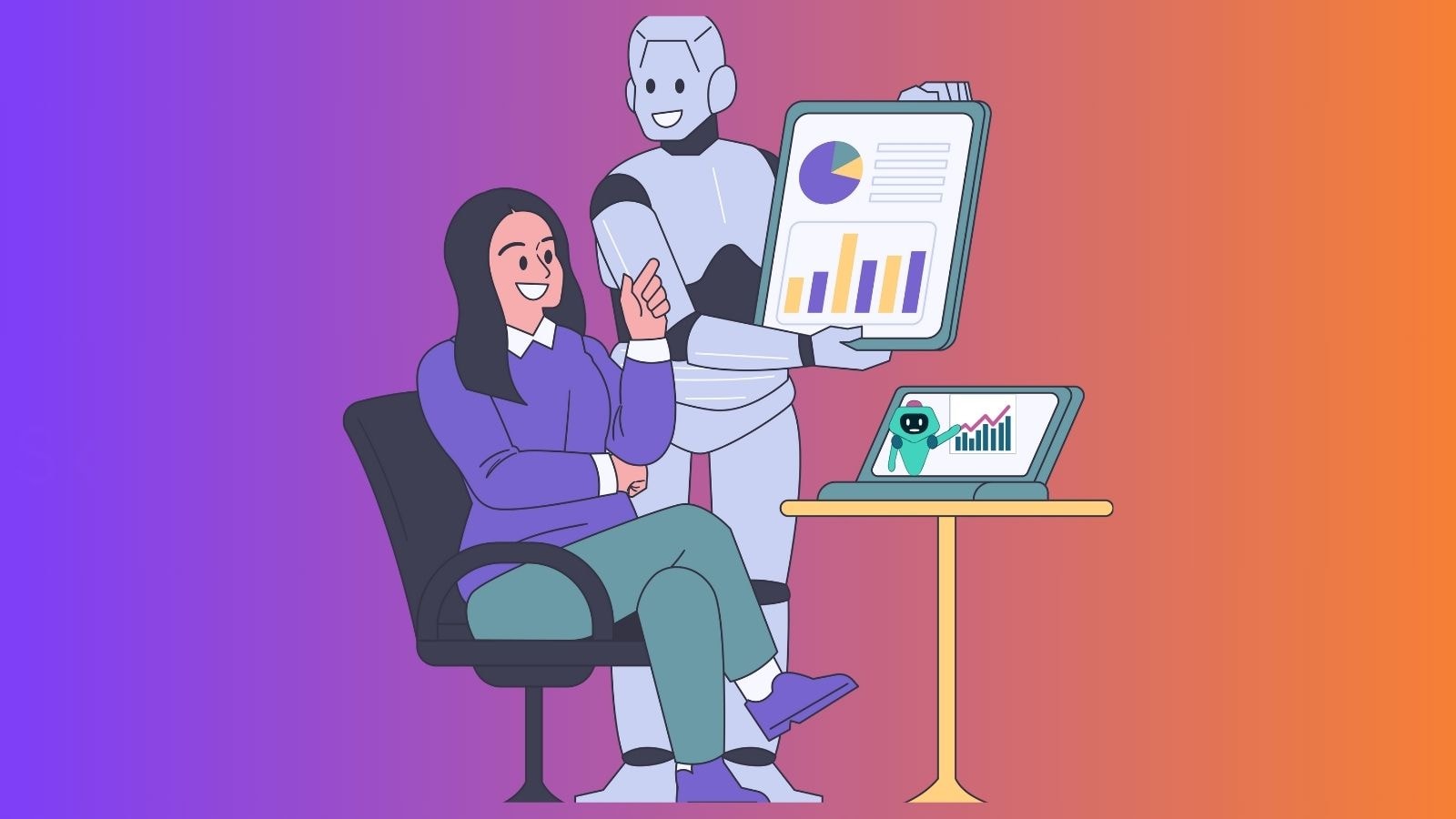
Key Takeaways: How Businesses Are Using AI
- AI enhances operational efficiency and customer experience across every major industry.
- Real-world uses include chatbots, predictive maintenance, fraud detection, and personalized recommendations.
- Successful implementation needs planning, quality data, employee training, and clear ethics.
- The future centers on emerging technologies, overcoming challenges, and human-AI collaboration.
How Does AI Enhance Operational Efficiency?
AI enhances operational efficiency by automating repetitive work, predicting problems before they happen, and optimizing complex processes like supply chains in real time. The result is lower costs, less downtime, and teams freed to focus on higher-value work.
NLP for Customer Service and Engagement
AI-driven business transformation is revolutionizing customer service and user engagement, guiding companies into a new era of marketing and operations. (For more, see how business and marketing are changing with AI.)
NLP-powered chatbots and virtual assistants can understand and respond to customer queries in natural language, providing quick and accurate assistance around the clock.
These AI systems can handle routine inquiries, freeing human agents to focus on more complex tasks. Moreover, NLP enables businesses to analyze customer data, such as social media conversations, emails, and reviews, to gain valuable customer insights.
By understanding customer behavior and sentiment, companies can enhance customer experience, identify pain points, and improve data-driven products and services.
AI Supply Chain Optimization
Businesses use AI algorithms and machine learning to streamline and optimize supply chain operations. Predictive analytics can anticipate demand fluctuations, enabling proactive inventory management and minimizing stockouts or overstocking.
AI-powered supply chain optimization tools can also identify bottlenecks, optimize routing, and reduce transportation costs, resulting in significant cost savings and increased operational efficiency.
Predictive Maintenance with AI
In asset-intensive industries, such as manufacturing and energy, predictive maintenance powered by AI is a game-changer.
Machine learning models can analyze sensor data and historical data points to detect anomalies and predict potential equipment failures before they occur.
This proactive process minimizes downtime, extends asset lifespan, and enhances operational efficiency while reducing maintenance costs.
Automating Routine Tasks
AI technologies, including NLP, computer vision, and robotic process automation, enable businesses to automate repetitive tasks and mundane processes.
Organizations can redirect human resources toward more strategic and complex tasks by offloading these tasks to AI systems, boosting productivity and efficiency.
How Does AI Improve Customer Experience?
AI improves customer experience by delivering instant 24/7 support, tailoring recommendations to each person, and protecting customers from fraud. Together these capabilities create faster service, more relevant offers, and greater trust, which strengthens loyalty.

AI Chatbots for Customer Queries
Companies use AI and NLP to build smart chatbots. These AI-powered chatbots understand and respond to customer questions in natural conversations, providing quick and accurate help 24/7.
By adding chatbots to customer service, businesses improve customer experience. Customers get immediate support, shorter wait times, and better satisfaction.
Personalized Recommendations
Businesses leverage machine learning algorithms to analyze customer data and provide personalized recommendations.
By understanding customer behavior and preferences, AI systems can suggest relevant products, services, or content tailored to individual customers. This personalized approach enhances customer experience, drives customer loyalty, and increases sales.
AI Fraud Detection
Fraud detection is a critical application of AI in various industries, including finance, e-commerce, and telecommunications.
AI models can analyze customer data, transaction patterns, and other data points to identify anomalies and flag potentially fraudulent transactions.
By implementing AI fraud detection systems, businesses can protect their customers, maintain trust, and minimize financial losses.
Enhancing Customer Satisfaction and Loyalty
AI technologies help businesses boost customer satisfaction and loyalty. AI-powered chatbots provide seamless support, while personalized recommendations and efficient fraud detection create a better overall customer experience.
Companies address issues and deliver more value by understanding customer insights through data. This strengthens customer loyalty and drives business growth.
How Does AI Support Data-Driven Decision Making?
AI supports data-driven decision making by spotting patterns in huge datasets, forecasting demand and risk, and revealing customer insights that humans would miss. This lets businesses plan resources, manage risk, and act on opportunities with far greater accuracy.
Predictive Analytics for Forecasting
Businesses use predictive analytics and machine learning to accurately forecast demand for their products and services. AI models can identify patterns and make reliable predictions by analyzing historical sales data, market trends, and other data points.
This enables companies to optimize inventory levels, plan production, and allocate resources effectively, reducing cost overruns and inventory waste.
AI Risk Management
AI is revolutionizing risk management practices in industries such as finance and insurance. AI models can process vast amounts of data, including economic indicators, market dynamics, and customer data, to assess potential risks and their impact.
This data-driven approach empowers businesses to make informed decisions, mitigate risks, and seize opportunities proactively.
Customer Behavior Analysis
Understanding customer behavior is important for businesses to tailor their offerings and strategies. Machine learning algorithms can analyze customer data from various sources, such as purchase histories, online interactions, and feedback, to uncover valuable customer insights.
These insights enable companies to personalize customer experiences, identify new market opportunities, and make data-driven decisions that drive growth and customer loyalty.
Data-Driven Decisions Across Industries
The power of AI and data analytics is transforming decision-making processes across various industries. In retail, AI systems analyze customer data and market trends to optimize product assortments and pricing strategies.
Data-driven insights drive predictive maintenance and supply chain optimization in manufacturing. Healthcare organizations leverage AI for medical image analysis, patient outcome predictions, and resource allocation.
By embracing data-driven decision-making, businesses can gain a competitive advantage and drive sustainable growth.
How Is AI Used in Healthcare and Medicine?
AI is used in healthcare to analyze medical images, optimize patient treatment plans, accelerate drug discovery, and streamline health records. These applications speed up diagnosis, reduce human error, and help clinicians deliver more personalized, effective care.
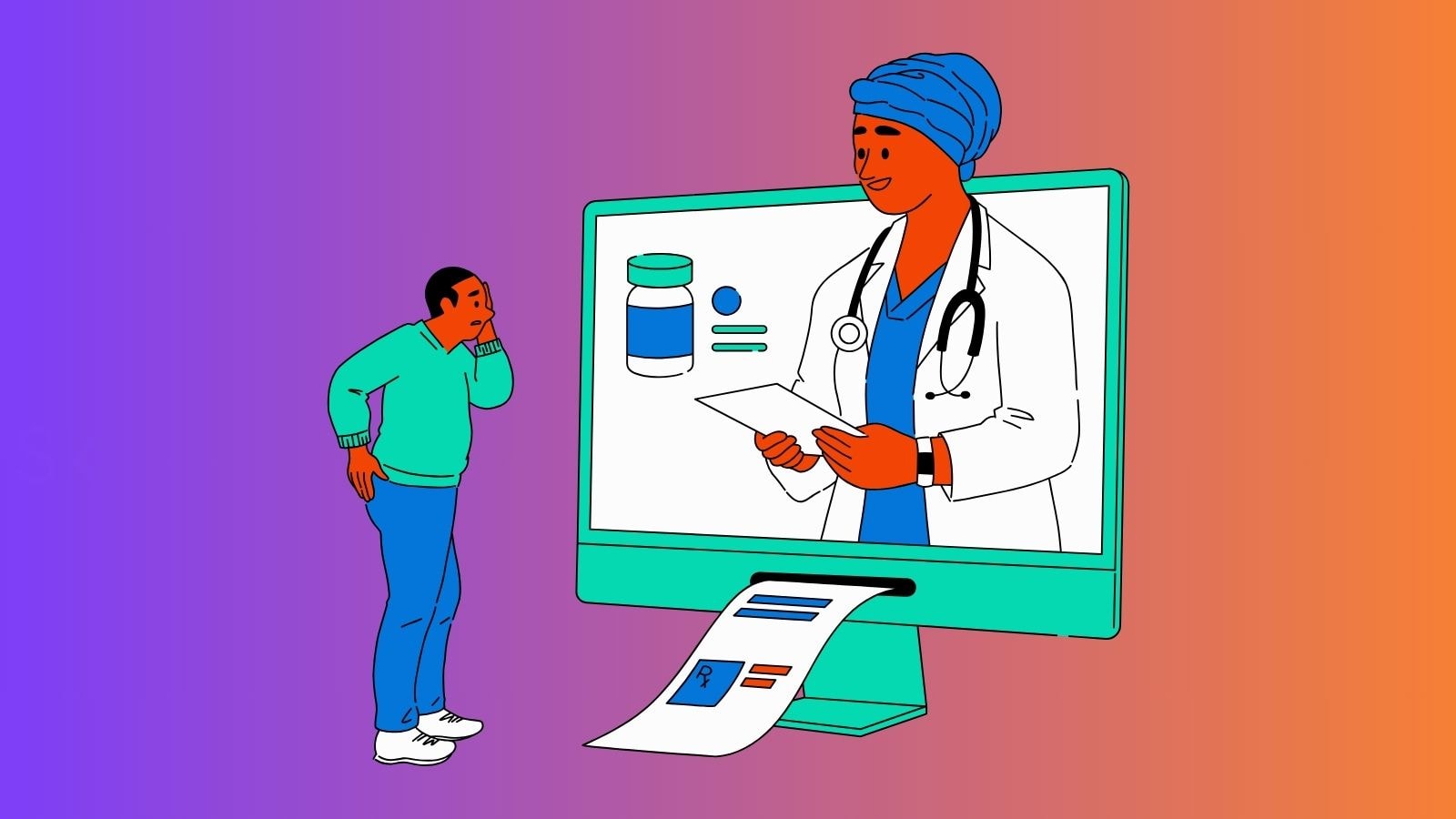
Medical Image Analysis and Diagnosis
The healthcare sector uses AI for medical image analysis, such as X-rays, MRIs, and CT scans. AI algorithms and computer vision techniques can accurately detect and diagnose diseases, tumors, and other medical conditions from these images.
This speeds up the diagnostic process and reduces the risk of human error, leading to improved patient outcomes.
Patient Care and Treatment Optimization
AI systems are pivotal in optimizing patient care and treatment plans. AI models can provide personalized treatment recommendations, predict potential complications, and suggest preventive measures by analyzing medical data, including patient histories, lab results, and genomic information.
This data-driven approach empowers healthcare professionals to make informed decisions and deliver more effective and tailored care.
Drug Discovery and Development
AI technologies are transforming the process of drug discovery and development. Machine learning algorithms can analyze vast amounts of data, including molecular structures, biological pathways, and clinical trial results, to identify potential drug candidates and predict their efficacy and safety.
This accelerates the drug development process, reduces costs, and increases the chances of successful drug approvals.
Electronic Health Records Management
Healthcare organizations are embracing AI to streamline the management of electronic health records (EHRs). NLP techniques can extract relevant information from unstructured data, such as physician notes and medical reports, and integrate it into structured EHR systems.
This improves data accessibility, reduces administrative burdens, and improves care coordination among healthcare providers.
How Are Other Industries Embracing AI?
Beyond healthcare, AI is reshaping retail, finance, manufacturing, and human resources, powering visual search and recommendations in retail, fraud detection and advice in finance, automated quality control in manufacturing, and intelligent resume screening in HR.
Retail and E-commerce
Retail and e-commerce companies use AI to improve customer experience and sales. AI chatbots help customers with product questions and suggestions. NLP enables smart search and personalized product recommendations based on customer data.
Computer vision and AI algorithms allow visual search, where customers find products by uploading pictures. Predictive analytics also helps optimize inventory and pricing.
Finance and Banking
AI is changing finance and banking, from fraud detection and risk management to personalized financial planning and investing advice.
AI models analyze large data sets like market trends, customer transactions, and economic indicators to identify risks and opportunities. NLP powers virtual assistants to handle customer questions and provide financial guidance.
Manufacturing and Logistics
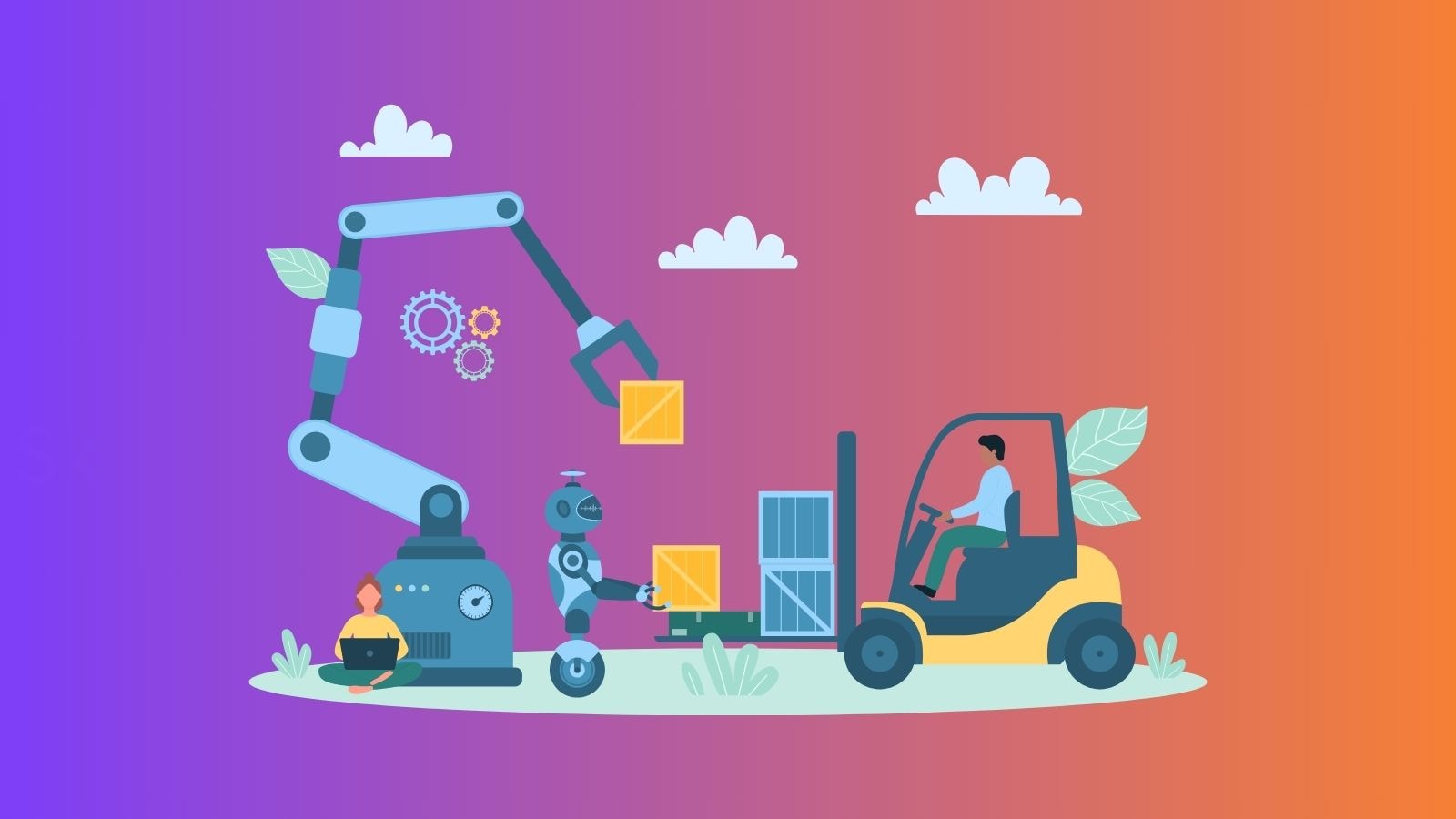
In manufacturing and logistics, AI systems optimize supply chains and predictive maintenance. Machine learning algorithms analyze production data and sensor readings to predict equipment failures, reducing downtime and maintenance costs.
Computer vision and robotics enable automated quality control and efficient material handling. Predictive analytics optimizes inventory, production planning, and transportation routing.
Human Resources and Recruitment
AI transforms HR and recruitment. Natural language processing enables intelligent resume screening and job matching. Machine learning analyzes candidate data and past hiring to identify top talent.
AI chatbots assist job seekers with inquiries and personalized career advice. Predictive analytics helps forecast talent needs and retention strategies.
How Do You Implement AI Successfully?
You implement AI successfully by planning carefully, integrating it with existing systems, preparing high-quality data, upskilling employees, and addressing ethics from the start. Skipping any of these steps is the most common reason AI projects fail to deliver value.
Planning and System Integration
Successful AI implementation requires careful planning and seamless integration with a company’s existing systems. Businesses must assess their current processes, identify areas where AI solutions can drive value, and develop a comprehensive roadmap.
Integrating AI into legacy systems and workflows is important to minimize disruptions and ensure a smooth transition.
Data Quality and Preparation
The success of AI models heavily relies on the quality and quantity of data. Businesses must ensure they have access to clean, relevant, and diverse data points to train their AI algorithms.
This often involves data cleaning, formatting, and feature engineering processes carried out by data scientists to prepare the data for machine learning tasks.
Training and Upskilling Employees
Companies embracing AI must invest in training and upskilling their workforce. Employees need to understand the capabilities and limitations of AI technologies and how to interact with and leverage these tools effectively.
This fosters a culture of innovation and ensures that human-AI collaboration is seamless and productive.
Ethical Concerns and Risks
Implementing AI raises important ethical concerns and potential risks that businesses must address. These include issues related to data privacy, algorithmic bias, transparency, and accountability.
To address the risks of AI in business, companies need strong governance, ethics, and risk management practices for responsible AI deployment. (Learn more about the disadvantages and risks of AI in business.)
What Is the Future of AI in Business?
The future of AI in business centers on more advanced technologies, deeper integration with tools like IoT and blockchain, and closer human-AI collaboration. The goal is not to replace people but to augment human creativity, empathy, and judgment with AI’s analytical power.
Emerging Trends and Technologies
Artificial intelligence is rapidly evolving, with new trends and technologies emerging constantly. NLP is advancing, enabling more human-like conversational abilities in AI systems.
Computer vision and machine learning are becoming increasingly sophisticated, opening up new possibilities in areas like autonomous vehicles and advanced robotics.
Additionally, integrating AI with other cutting-edge technologies, such as the Internet of Things (IoT) and blockchain, is poised to unlock new realms of efficiency and innovation.
Challenges and Limitations
While the potential of AI is vast, there are also significant challenges and limitations to address. Ensuring the transparency and ethical use of AI models is important, as is mitigating the risk of bias and preserving data privacy.
Additionally, the need for large, high-quality data sets and computational resources can be a barrier for some businesses, especially smaller organizations. Continuous research and development are necessary to overcome these hurdles and unlock the true potential of AI.
Human-AI Collaboration
As AI advances, it is essential to recognize that it should augment and enhance human capabilities rather than replace them entirely. The future lies in seamless human-AI collaboration, where humans and intelligent systems work together, complementing each other’s strengths.
Businesses can achieve unprecedented innovation and success by leveraging AI’s analytical power and combining it with human creativity, empathy, and decision-making abilities. If you are wondering where to start, explore what AI can do for your business and the benefits it brings.
Frequently Asked Questions
What are the main benefits of AI for businesses? AI automates routine tasks, improves operational efficiency, enhances customer experiences, and provides data-driven insights that lead to faster, better decisions and lower costs.
Is AI suitable for small businesses? Yes. AI tools are increasingly affordable and accessible, helping small businesses improve operations, automate customer service, and compete with larger companies without a big budget.
What AI tools are best for marketing and sales? Popular options include chatbots, predictive analytics, customer relationship management (CRM) systems, and content creation tools. You can dive deeper in our guide to top AI marketing tools to grow your business.
How does AI reduce operational costs? AI automates repetitive tasks, optimizes processes such as supply chains and inventory, and reduces human error, all of which save time and money.
What are the challenges of implementing AI in business? Common challenges include high initial costs, data privacy concerns, integration with existing systems, and the need for skilled personnel to build and maintain AI solutions.
How does AI enhance cybersecurity for companies? AI detects and responds to threats faster than manual methods, identifies vulnerabilities, and automates security protocols to protect data and systems.
Conclusion
The real-world success stories explored in this guide show the transformative power of AI across industries. The benefits of AI in business span operational optimization, improved customer experiences, data-driven decisions, and healthcare advancements, all driving competitive advantage and growth.
As AI technologies continue to evolve, businesses that embrace this revolution and invest in responsible AI implementation will be well-positioned to succeed. Start by identifying one repetitive process or customer touchpoint where AI could add value, and build from there.