A Comprehensive Guide to Web Hosting for Beginners in 2026

Web hosting is the service that stores your website’s files on a server and makes them available to anyone on the internet. For beginners, the key is to match your hosting type to your needs: shared hosting for small sites, VPS or cloud hosting for growing traffic, and dedicated hosting for large, resource-heavy sites. This guide explains how hosting works, the main types, what features matter, and how to choose the right provider.
The success of your website depends heavily on the hosting you choose. Understanding web hosting is essential for your site’s performance, security, and accessibility. Below, we break down the different hosting services, their pros and cons, and how to select the best provider for your needs, in plain language for first-time site owners.

Quick Summary
- Web hosting is the essential foundation for any online business or website, storing your files and serving them to visitors.
- When choosing a provider, compare reliability, scalability, security, and support to find the best fit for your site’s needs.
- Domain names and web hosting work together to make a website accessible online – see our domain name creation guide for the naming side of the equation.
What Is Web Hosting and Why Does It Matter?
Web hosting is a service that stores and maintains your website’s files on a web server, guaranteeing accessibility and reliable performance for your visitors. A good web hosting company handles server management, security, website backups, and technical support, so you don’t have to.

Here is what happens behind the scenes. When a user types a domain name into their browser’s address bar, the request is sent to the web host’s server. The server then transfers all the necessary files — text, images, and other assets — to load the website in the visitor’s browser.
The web host carries a lot of responsibility. It maintains the server, implements security measures, and ensures your data is delivered reliably every time someone requests your site. In essence, web hosting is the backbone of your website’s online presence — trying to run a business website without it would be nearly impossible.
Web Hosting Services: An Overview

Hosting providers offer different services to match different website needs and budgets. Before comparing them, it helps to understand two basics: bandwidth and free versus paid hosting.
Free Web Hosting Comes With a Cost
Free hosting is real, but it comes with trade-offs. Bandwidth — the amount of data your site can transfer to visitors, measured in bytes — is usually limited on free plans. For reference, most websites without video use less than 3 gigabytes of bandwidth per month, so a free plan may be enough at first. Still, it’s worth considering the extra room a paid server gives you for future growth.
Can I Host My Website for Free? How Does Free Web Hosting Work?
Yes, you can host a website for free, but expect limitations. Paid plans allow far more customization and offer greater storage capacity. Free plans typically lack the extra features that improve your site’s speed and performance, which can hold back a growing site.
How Much Does Web Hosting Cost?
Web hosting costs vary by provider, but most options fall into predictable ranges. Hosting a small project on a straightforward shared plan can cost just a couple of dollars a month.
VPS plans cost more, and dedicated plans typically start around $60 per month for entry-level options. Cloud hosting is often inexpensive, but many providers price it based on activity — which means usage spikes can lead to unexpected charges on your bill, so read the pricing terms carefully.
For an in-depth look at one popular managed WordPress host, see our WPX Hosting review.
What Are the Main Types of Web Hosting?
The main types of web hosting are shared, VPS, dedicated, and cloud hosting. Each offers a different balance of control, performance, security, and cost. Shared hosting is the most affordable and is ideal for small, low-traffic websites, while the others scale up as your needs grow.

Shared Hosting
Shared hosting is a cost-effective solution where your website shares a single server with multiple other websites. It’s ideal for personal sites and small to medium-sized businesses, and it’s the easiest option for beginners to set up and manage.
The trade-off is limited resources. Because the server is shared, your site’s performance can be affected by other websites on the same server, and high-traffic sites may experience disruptions. Despite this, shared hosting is an excellent starting point for small websites with modest traffic.
Virtual Private Server (VPS) Hosting
VPS hosting gives each client a dedicated virtual server, even though several websites still share the same physical machine. This provides more control, better scalability, and improved performance — making it ideal for medium-sized websites, eCommerce stores, and busy blogs experiencing rapid growth.
The main drawback is that VPS hosting requires some technical knowledge and familiarity with server configuration. If you’re comfortable with that and your traffic is climbing, VPS is an excellent way to support your website’s growth.
Dedicated Hosting
Dedicated hosting leases an entire server to a single client, providing maximum control over server resources, scalability, and performance. It costs more than shared hosting, but for websites with high traffic and heavy resource demands, the benefits can far outweigh the price.
Dedicated hosting does require regular management and a bigger budget. If you have the technical proficiency and financial resources to support it, it offers a secure and robust platform for your website’s success.
Benefits of Dedicated Hosting
A dedicated server offers numerous advantages:
- Enhanced performance and faster loading times.
- Greater control and customization options.
- Increased reliability and stability.
- Stronger, more configurable security measures.
- Scalability and flexibility to accommodate growth.
- Improved SEO and search rankings from better speed and uptime.
- Advanced, priority technical support.
- Compliance and data-security options.
Note: dedicated hosting is typically more expensive than shared hosting. Assess your needs and budget before committing.
Cloud Hosting
Cloud hosting is an innovative, reliable option that shares resources across a network of interconnected servers for improved performance and scalability. It’s cost-effective and can offer greater stability than traditional single-server hosting, since your site isn’t dependent on one machine.
The potential drawbacks are less control over the underlying physical hardware and some additional security considerations. Even so, cloud hosting is an excellent choice if you want a scalable and dependable hosting solution that grows with you.
How Do You Choose the Right Web Hosting Provider?
Choose a web hosting provider by comparing reliability, security, performance, and customer support against your website’s specific needs. The right provider keeps your site fast and online while giving you help when something goes wrong.

Start by weighing stability, security, and the provider’s ability to meet your site’s requirements. Compare the cost and functionality of different providers and their subscription plans, and read user reviews to make an informed decision.
Customer support quality is just as important. Problems can arise at any time, so 24/7 support and a solid uptime guarantee can make a major difference in resolving issues quickly. For a broader foundation on the topic, our companion guide on everything you need to know about web hosting goes deeper on the fundamentals.
Essential Features to Look for in a Web Hosting Plan
Prioritize reliability, strong uptime guarantees, and adequate storage and bandwidth when comparing hosting plans. These three factors determine whether your site stays fast and available.
Beyond the basics, look for scalability, flexibility, support for multiple domains, secure servers, an easy-to-use control panel, robust security measures, and extras like SSL certificates and email accounts. Thorough research and side-by-side comparison help you find the perfect fit.
It’s also worth evaluating each plan’s technical specifications — disk space, processing power, and bandwidth. By matching these features to your website’s specific needs, you can select the hosting plan best suited to support your growth and success.
How Domain Names and Web Hosting Work Together
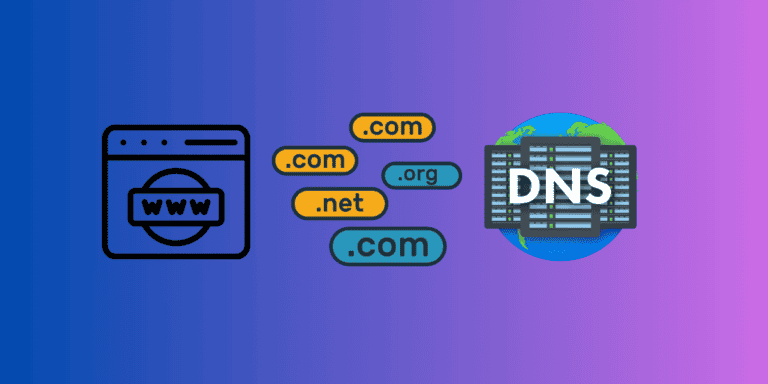
Domain names and web hosting are interdependent: the domain name is your website’s address, while web hosting stores and manages the files behind it. You need both for a working website.

When a visitor enters your domain name, the Domain Name System (DNS) looks up your website’s IP address and directs the visitor to the right server. This is why choosing a reliable host and a domain name that reflects your brand both matter.
For more on picking the perfect name, explore our domain name creation guide.
Making the Most of Your Web Hosting Service
To optimize your website’s performance, use a content delivery network (CDN), compress your images, and cache static content. These steps reduce load times and improve the experience for every visitor.
Manage your resources wisely, too: use a caching plugin, optimize your database queries, and schedule heavy tasks for off-peak times. Effective resource management keeps your site responsive even as it grows.
Security is equally important. Use a secure connection (SSL), set up a firewall, and enforce strong passwords. By combining performance optimization, smart resource management, and solid security, you get the full value from your web hosting service.
Why Web Host Uptime Matters
Unreliable or unstable hosting can quickly erode customer trust, which is why uptime is critical. Always confirm that a host actually delivers the uptime it advertises. A solid service-level guarantee and a track record of dependable service reflect a host’s genuine commitment to keeping your site online.
Transitioning to a New Provider
Switching web hosts can feel daunting, but with the right steps the migration is smooth. The typical process is: find a new host, back up your website files and databases, export your existing database, create a new database, import your data, update your DNS records, and verify that everything imported correctly.
If you’re unsure which new provider to choose, research and compare several hosting companies first. Reading customer reviews offers valuable insight into the quality of service and support you can expect.
Managing Your Web Hosting Costs
Manage hosting costs by understanding pricing structures, comparing providers, and choosing the plan that genuinely matches your site’s needs. Many companies offer discounts for longer-term contracts, which can meaningfully reduce your costs.
When estimating the resources your website requires, consider factors like CPU, RAM, and storage. Matching these to a suitable plan lets you control spending while still ensuring optimal performance and functionality.
WordPress Hosting
WordPress hosting is a CMS-specific service that runs on WordPress-optimized servers, helping your site load faster and reducing common technical problems. Some plans are built purely for hosting, while others are designed to help you build sites on the popular CMS as well.
WordPress hosts typically include preinstalled themes and plugins that cover basic functionality out of the box. The main upside is convenience and performance tuned for WordPress; the main trade-off is that you’re tied to one platform, so it’s best when you’re certain WordPress is your CMS of choice.
Frequently Asked Questions
What is web hosting on a website? Web hosting is a service that stores your web pages and files on physical servers and provides the hardware, software, and network infrastructure that makes your site accessible online. Hosting providers offer various plans for individuals and organizations to publish websites and web applications.
What are the three main types of web hosting? The three main types are shared, VPS (virtual private server), and dedicated hosting; cloud hosting is a popular fourth option. Each offers different levels of control, security, storage, and speed depending on your website’s needs.
Why do I need hosting for my website? Your website needs hosting to be accessible on the internet. Without it, no one but you can view your site. A hosting plan is a vital part of any website launch.
How much does web hosting cost for beginners? Beginners can host a small site on shared hosting for just a few dollars a month. VPS plans cost more, and dedicated plans typically start around $60 per month. Cloud hosting is often inexpensive but may bill based on usage.
What factors should I consider when choosing a web hosting provider? Focus on stability, security, technical specifications, and customer support quality. Look for a reliable uptime guarantee, secure data centers, a strong reputation, and a knowledgeable support team to help with any technical issues.
How do domain names and web hosting work together? A domain name is your website’s address, while web hosting stores and manages the files behind it. When someone enters your domain, DNS points them to your host’s server. For the naming side, see our domain name creation guide.
Conclusion
Understanding web hosting is essential to your website’s success. By learning how hosting works, comparing the main types, evaluating the features that matter, and choosing a reliable provider, you can build a stable, secure, and high-performing site. Keep your domain name, performance optimization, cost management, and migration options in mind, and you’ll be well-equipped to launch and grow a successful online presence. Your next step: decide which hosting type fits your traffic and budget today, then secure a matching domain to get online.