11 Ways to Sell or Promote Your Products or Service Online

To sell or promote your products or service online, combine the channels that reach your audience where they already are: social media, e-commerce marketplaces, content marketing, email, SEO, paid ads, influencer partnerships, customer reviews, discounts, online communities, and live events. No single tactic wins on its own. The businesses that grow online layer several of these methods around a clear understanding of who their customer is.
Welcome to the digitally connected world, where promoting your products and services is just a click away. No more door-to-door selling; it is time to harness the power of the internet to reach your target audience. In this comprehensive guide, you will discover 11 ways to sell or promote your products or service online so you can navigate online promotion, maximize your results, and boost your business growth.
The scale of the opportunity keeps growing: US social commerce sales are projected to pass $100 billion for the first time in 2026, an 18% year-over-year jump, so the channels below are only getting more crowded and more valuable.
Key Takeaways
- Understand your target audience and identify customer needs to create tailored marketing campaigns.
- Utilize online platforms, social media channels, content strategies, and influencer marketing to engage customers.
- Leverage reviews and testimonials, and offer discounts and special deals, to drive increased sales and win new customers.
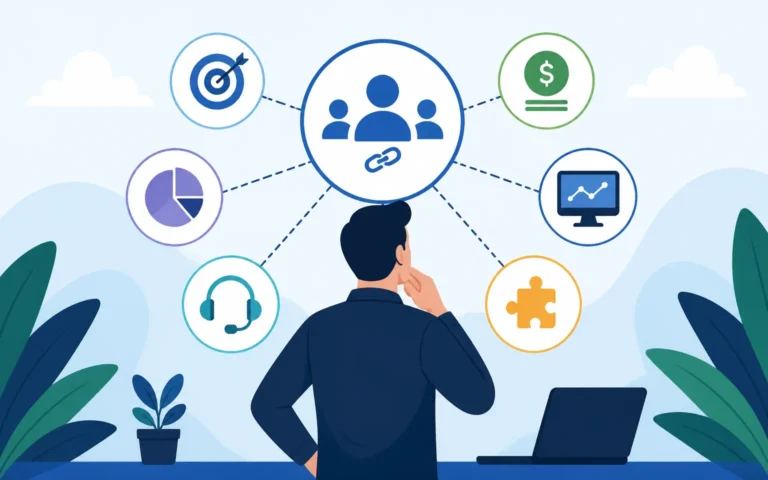
1. Understand Your Target Audience
Knowing your target audience is the foundation of any successful marketing campaign. Comprehending the needs and preferences of your potential customers allows you to:
- Tailor your digital marketing efforts
- Ensure your message resonates with the right people
- Increase the likelihood of turning prospects into loyal customers
- Drive online sales
Let’s delve into how we can better understand our audience.
Identifying Customer Needs
Identifying potential and prospective customers’ needs is a key step in crafting a targeted marketing strategy. Dive deep into market research, analyze customer feedback, and monitor search engine optimization (SEO) trends to understand what your audience is looking for.
Grasping your customer’s pain points enables the development of appealing products or services that offer competitive advantages. Customer engagement is the key to unlocking the door to increased sales.
Creating Buyer Personas
Creating buyer personas is a fundamental step toward understanding your target audience. These are research-based profiles that represent segments of your audience.
These personas provide valuable insights into your potential customers’ demographics, preferences, and pain points, allowing you to craft marketing campaigns that speak directly to their needs.
Forming personal bonds with your audience becomes feasible by creating buyer personas, helping your product or service remain their first choice.
2. Choose the Right Online Platforms
Selecting the right online platforms for promoting your products or services is critical to reaching your target audience. With the abundance of social media channels and e-commerce marketplaces available, choosing platforms that align with your audience’s preferences and behaviors is essential. Picking the best affiliate network for your business can be part of that same channel decision.
Maximizing your online presence and boosting sales becomes attainable when you concentrate your marketing efforts on platforms frequented by your target audience. If you are weighing partner channels, our guide on how to choose an affiliate network for your business walks through the criteria.

Social Media Channels
Harness the power of social media by utilizing platforms like Facebook, Instagram, Twitter, and LinkedIn to manage your social media accounts effectively and connect with potential customers and showcase your products or services. Each platform offers unique opportunities for engagement, allowing you to tailor your content and messaging to meet the needs and preferences of your audience.
The payoff for showing up consistently is measurable: HubSpot’s 2026 research found 61% of brands doing social selling report revenue growth, with social outreach getting a 42% response rate versus 26% for cold email.
From sharing eye-catching visuals on Instagram to connecting with professionals on LinkedIn, social media channels provide endless possibilities for promoting your online business and driving sales through social media marketing.
E-commerce Marketplaces
Exploit the potential of e-commerce marketplaces like Amazon, eBay, and Etsy to reach a broader audience and gain exposure for your products or services. These platforms provide a seamless shopping experience for users, allowing you to list your products alongside your competitors, increasing the likelihood of attracting new customers.
Leveraging the expansive customer base of these marketplaces can significantly enhance your online sales and business growth.
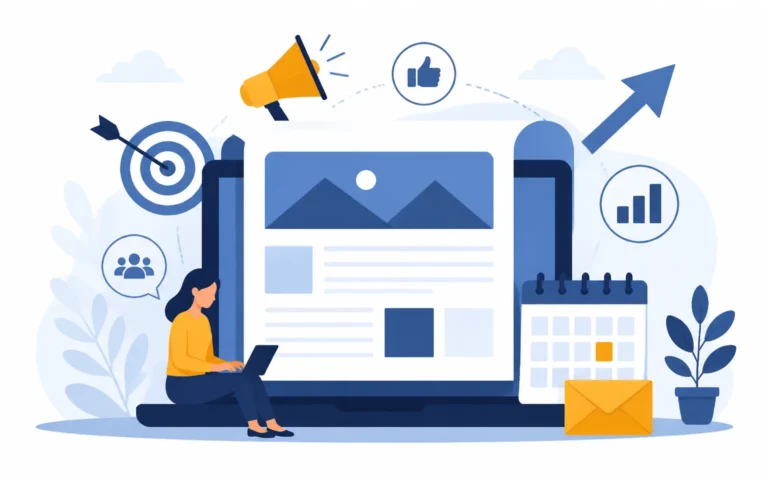
3. Use Content Marketing Strategies
Content marketing is a cornerstone of digital marketing, allowing you to:
- Attract, engage, and convert potential customers through valuable and informative content
- Produce high-quality content that connects with your target audience
- Build trust and credibility and increase organic website traffic
From blogging to video marketing, content marketing strategies enable you to showcase your expertise while providing your audience with the information they need to make informed purchasing decisions.

Blogging
Blogging is a powerful tool for sharing valuable information, showcasing expertise, and driving organic traffic to your website. Establishing industry authority and enticing potential customers to delve into your products or services can be achieved by creating and disseminating engaging blog posts on relevant topics.
Regularly publishing high-quality content also boosts your SEO efforts, making it easier for search engines to find and rank your website. For a deeper look, see our guide on effective marketing through blogs.
Video Marketing
Video marketing has exploded in popularity, becoming an essential component of digital marketing strategies. Videos allow you to:
- Present your products or services in an engaging and easily digestible format
- Capture the attention of potential customers
- Encourage them to explore your offerings further
From product demonstrations to how-to guides, video content can help you connect with your audience on a deeper level and drive sales.
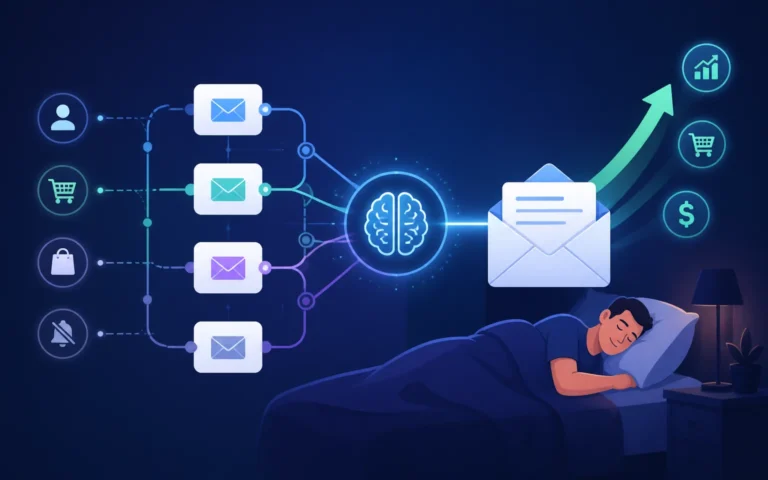
4. Run Email Marketing Campaigns
Email marketing is a tried-and-true method for promoting your products or services, building customer relationships, and driving sales. Encouraging potential customers to take action and make a purchase becomes plausible when you craft emails that:
- Engage and connect with your target audience
- Provide valuable information or offers
- Use compelling subject lines to grab attention
- Have a clear call to action
- Are personalized and relevant to the recipient
By following these strategies, you can launch effective email marketing campaigns that drive results. We’ll delve into the key components of successful email marketing campaigns, including list-building and crafting conversion-driven emails.

Building an Email List
Building an email list is crucial in launching successful email marketing campaigns. By collecting the email addresses of potential and existing customers, you can communicate directly with your audience, providing personalized content and offers that resonate with their needs and preferences.
Utilize strategies like offering exclusive content or discounts in exchange for email sign-ups, and segment your list based on customer behavior and interests to ensure your emails are relevant and engaging.
Crafting Engaging Emails
An engaging email is more than just a catchy subject line; it’s a carefully crafted message that resonates with your audience and encourages them to take action. Focus on providing value to your readers, whether it’s through helpful tips, exclusive discounts, or compelling storytelling.
Include clear calls-to-action that direct readers to your website, product pages, or landing pages, and always ensure your emails are mobile-friendly to cater to the ever-growing number of mobile users. If you are getting started, our roundup of best email marketing practices and tools is a helpful next step.
5. Utilize Influencer Marketing
Influencer marketing has become a powerful tool for businesses looking to reach new audiences and boost brand awareness. Collaborating with social media influencers aligned with your brand and target audience allows you to access their devoted followers and increase product or service sales.
We’ll delve into identifying suitable influencers and cultivating fruitful collaborations and partnerships.
Finding the Right Influencers
Finding the right influencers is essential for the success of your influencer marketing campaigns. Research influencers in your industry, analyze their audience demographics, and ensure their content aligns with your brand values and messaging.
Use tools like SimilarWeb, BuzzSumo, and Upfluence to help you identify influencers who have the potential to connect with your target audience and drive engagement for your brand.
Collaborations and Partnerships
Collaborations and partnerships with influencers can take many forms, including:
- Sponsored content
- Product reviews
- Giveaways
- Endorsements
By working with influencers, you can leverage their credibility and reach to showcase your products or services to a wider audience.
Establish clear expectations and guidelines for the partnership and monitor the results to optimize your influencer marketing efforts. Explore more about how affiliate networks can complement your influencer strategy in our article on what affiliate networks are and how they work.
6. Invest in Search Engine Optimization (SEO)
Understanding the importance of search engine optimization (SEO) is vital, as it helps improve your online visibility and brings organic traffic to your site. Enhancing your website’s content, meta tags, and URLs aids in improving your search engine rankings and facilitates product or service discovery for potential customers.
We’ll delve into the two primary aspects of SEO: on-page and off-page optimization.

On-Page SEO
On-page SEO involves optimizing your website’s content, meta tags, and URLs to enhance your search engine rankings. This includes incorporating relevant keywords into your content, crafting compelling meta descriptions, and ensuring your URLs are descriptive and easy to understand.
By focusing on on-page SEO, you can improve the visibility of your website in search results and drive more organic traffic to your site. Our guide on how to rank higher on Google covers the full blueprint.
Off-Page SEO
Off-page SEO focuses on building backlinks, social media engagement, and other external factors influencing your rankings. By creating high-quality, shareable content and engaging with your audience on social media, you can earn valuable backlinks and boost your website’s authority in the eyes of search engines.
Additionally, participating in online communities and forums can help you establish credibility and drive more organic traffic to your website.
7. Use Social Media Advertising
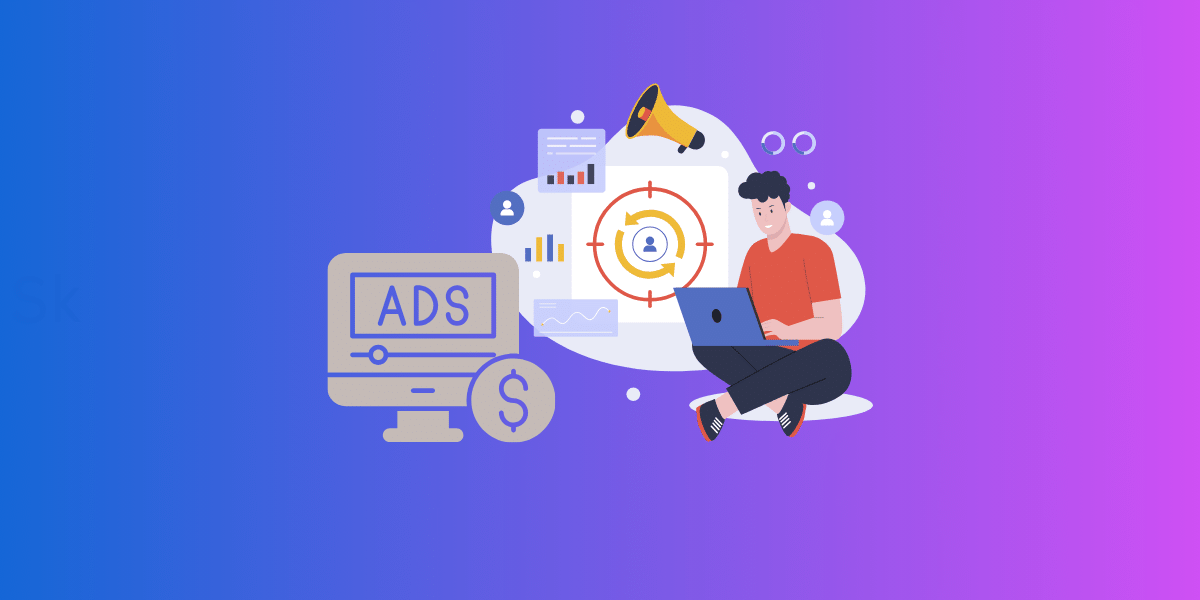
Social media advertising can help you reach a larger audience, increase brand awareness, and drive sales for your business. Maximizing the effectiveness of your ad campaigns becomes attainable when you use paid ads on platforms like Facebook, Instagram, and LinkedIn to target specific demographics and interests.
We’ll delve into the two primary forms of social media advertising: paid ads and retargeting campaigns. You can also read about why every business needs an affiliate network alongside social media advertising.
Paid Ads
Paid ads on social media platforms offer several benefits for your online business:
- You can target specific demographics and interests, ensuring your advertising budget is spent on reaching the right audience.
- By crafting engaging ad creatives, you can capture the attention of your target audience and increase the likelihood of them clicking on your ads.
- Tailoring your messaging to resonate with your target audience can improve the effectiveness of your paid ad campaigns.
- Ultimately, this can lead to more sales and conversions for your online business.
Experiment with different platforms, ad formats, and targeting options to find the best combination for your goals and objectives.
Retargeting Campaigns
Retargeting campaigns enable you to re-engage with website visitors who did not convert on their first visit, increasing the likelihood of future conversions. By displaying targeted ads to these individuals across various platforms and websites, you can remind them of your products or services and encourage them to revisit your website and complete a purchase.
Utilize retargeting campaigns in conjunction with your other marketing efforts to maximize the impact of your advertising budget and drive sales for your online business.
8. Leverage Customer Reviews and Testimonials
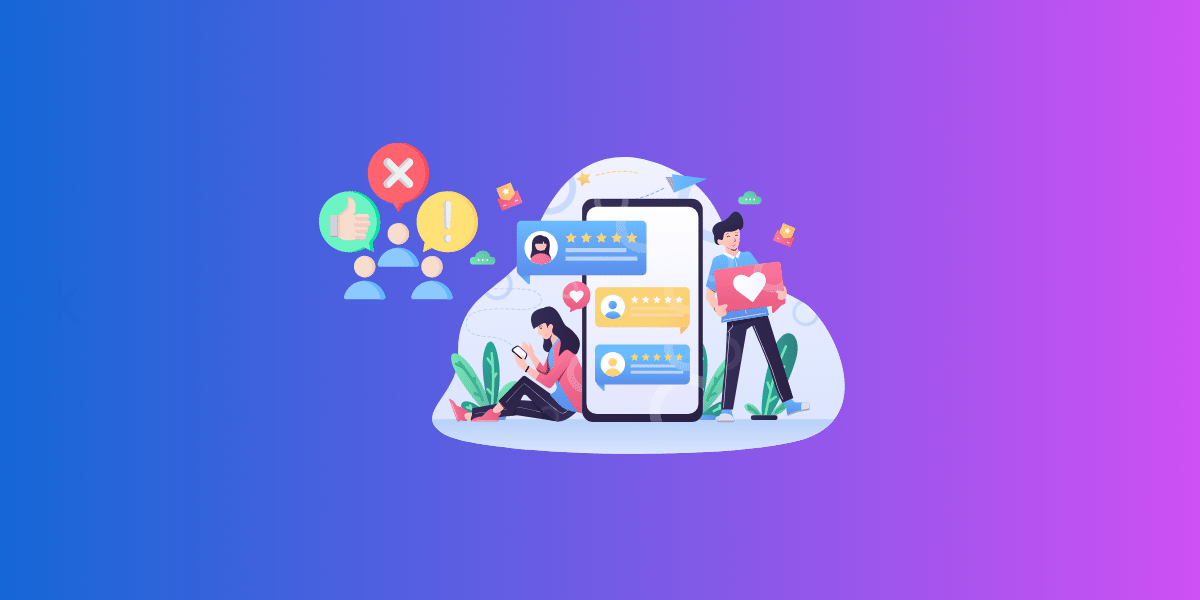
Customer reviews and testimonials are crucial in building trust, credibility, and social proof for your business, ultimately leading to increased sales. Encouraging customers to share their experiences and highlighting their testimonials across your online platforms can help underline the value of your offerings and foster trust among potential customers.
We’ll delve into tactics for soliciting reviews and displaying testimonials to enhance your online sales.
Encouraging Reviews
Encourage your customers to leave reviews by:
- Making it easy for them to do so on your website, social media channels, and third-party review sites
- Offering incentives, like discounts or exclusive content, in exchange for honest feedback
- Responding to both positive and negative reviews to show that you value your customers’ opinions
You can gather valuable feedback for continuous improvement and help potential customers make informed purchasing decisions by facilitating customer reviews.
Showcasing Testimonials
Showcasing testimonials on your website, social media, and marketing materials can help demonstrate the value of your products or services and build trust with potential customers. Include testimonials from satisfied customers that highlight the benefits and features of your offerings, and consider incorporating different formats, like written quotes and video testimonials, to appeal to different preferences.
By leveraging customer testimonials as social proof, you can increase the likelihood of potential customers choosing your products or services over those of your competitors.

9. Offer Discounts and Special Deals
Offering discounts and special deals can incentivize potential customers to purchase, increase sales, and build customer loyalty. Creating a sense of urgency through time-sensitive offers and promotions can motivate customers to act and purchase your products or services.
Implementing these sales strategies can lead to a significant boost in your business performance. We’ll explore discounts and deals, including limited-time offers and seasonal promotions, to enhance your online store sales.

Limited-Time Offers
Limited-time offers create a sense of urgency, encouraging customers to take action and purchase before the promotion ends. Offering discounts or special deals for a limited time can drive sales and attract new customers to your online business.
Utilize various marketing channels, like email campaigns and social media posts, to promote your limited-time offers and ensure your target audience is aware of the promotion.
Seasonal Promotions
Seasonal promotions capitalize on holidays and events, providing timely incentives for customers to buy your products or services. By offering special deals during popular shopping seasons, like:
- Black Friday
- Christmas
- Valentine’s Day
- Halloween
- Cyber Monday
You can increase sales and attract new customers to your online business. Be sure to plan your seasonal promotions well and utilize various marketing channels, like email campaigns and social media posts, to promote your offers and reach a wider audience.
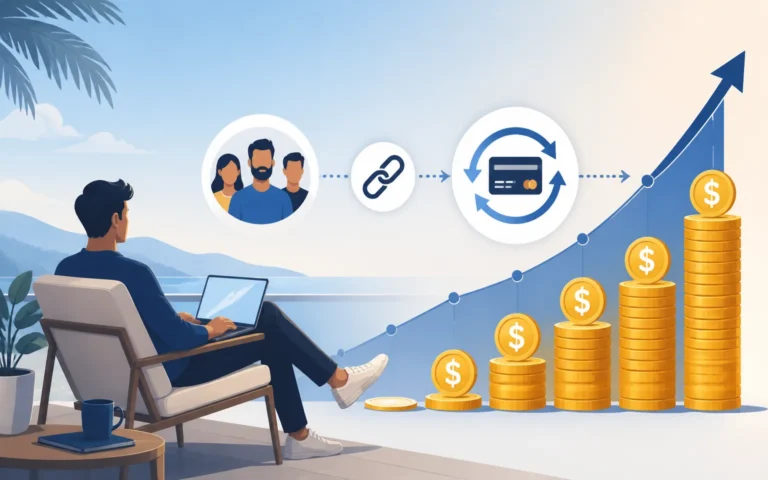
Consider building an affiliate network for your business to grow and scale faster. This can help you expand your reach by creating a network of individuals or businesses who promote your products or services in exchange for a commission.
10. Engage with Online Communities
Engaging with online communities can help businesses establish authority, build relationships, and drive sales. Engaging in niche forums and social media groups enables you to disseminate your knowledge, respond to queries, and establish connections with potential customers interested in your offerings.
We’ll delve into various types of online communities and how interacting with them can enhance your online sales.

Niche Forums
Niche forums provide a platform for businesses to share their expertise, answer questions, and connect with potential customers interested in their products or services. By actively engaging in forum discussions and providing valuable insights and solutions, you can establish your authority in your industry and attract new customers to your online business.
Be sure to research and join relevant forums in your niche to maximize the impact of your engagement efforts.
Social Media Groups
Social media groups offer opportunities to engage with your target audience, share valuable content, and promote your products or services within a community setting. By joining and actively participating in groups that align with your niche, you can build relationships with potential customers, showcase your expertise, and drive sales for your online business.
Be sure to follow group rules and guidelines and focus on providing value to the community rather than overtly promoting your products or services.
11. Host Webinars and Live Events
Hosting webinars and live events can educate potential customers about your products or services, showcase your expertise, and generate leads for your business. Delivering valuable information and engaging with your audience builds trust and credibility and drives sales for your business.
Consider offering webinars on topics relevant to your industry, hosting live product demonstrations, or conducting Q&A sessions to engage with your target audience and demonstrate the value of your offerings.
Frequently Asked Questions
What are the best ways to sell or promote products or service online? The most effective ways are to understand your target audience, choose the right platforms, use content marketing, run email campaigns, invest in SEO, advertise on social media, partner with influencers, leverage reviews and testimonials, offer discounts, engage with online communities, and host webinars and live events. Combining several of these works far better than relying on one.
What are the 7 different ways to sell your product? Selling products effectively can be achieved through seven main methods: in-person, online, direct mail, telephone, referrals, networking, and digital advertising. Each strategy offers unique customer-reach advantages, so a combination is recommended.
How do I promote and sell my product online? To promote and sell your product online, you can use social media platforms, create SEO-optimized content, engage with influencers, run Google Ads, set up a website for e-commerce, provide discounts and promotions, and create high-quality product content.
What are the 5 ways of marketing products? Marketing products effectively involves a mix of tactics, such as using the 5 P’s of marketing (Product, Price, Promotion, Place, and People) and promoting the product online through various channels. These methods help ensure a successful product launch and ongoing promotion.
How can I promote my online service? To promote your online service, create and maintain a website with strong SEO, leverage your social media presence, develop content and infographics, use email and text-message marketing, and partner with complementary brands. Additionally, explain how the service works, communicate a unique selling point, offer exceptional customer service, facilitate online bookings, and leverage social proof.
What is the most crucial aspect of understanding my target audience? The most crucial aspect is identifying customer needs and creating buyer personas, so you can tailor your marketing efforts for maximum results.
Conclusion
Promoting your products or services online involves a combination of strategies, from understanding your target audience and choosing the right platforms to leveraging the power of content marketing and engaging with online communities. By implementing these 11 powerful methods, you can attract potential customers, build lasting relationships, and drive sales for your online business. Start with one or two channels that fit your audience, measure what works, and expand from there. Embrace the digital world and watch your business grow.